
Skyblog · Trip planning
Last-Minute Flights: A Calm Checklist From Booking to Boarding
Booking a flight in a hurry? What to compare, which ID you need at security, the liquids rule and how early to arrive: a calm checklist for last-minute travel.
Published November 22, 2024 · Updated November 11, 2026
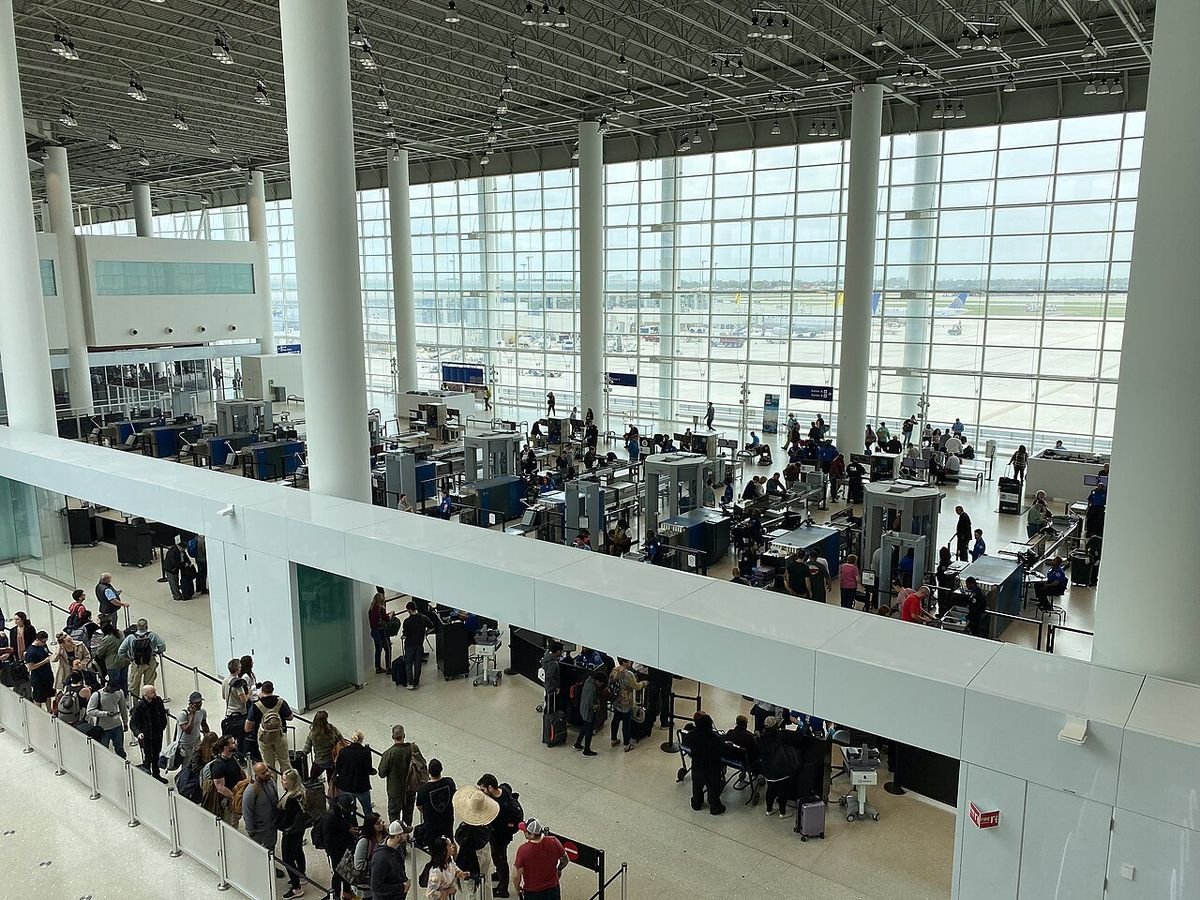
Sometimes the trip cannot wait. A family emergency, a sudden meeting or a spontaneous weekend can mean booking a flight for tomorrow or even today. Last-minute travel is more stressful than planned travel, but a short checklist keeps the important things from slipping.
This guide covers what to compare when time is short, what to know about ID and security, and how to make airport day as smooth as possible.
Booking in a hurry
When you are booking at the last minute, the usual advice to be flexible still helps. Search every airport in your area and at your destination, and compare a few departure times. Late in the booking window, the cheapest seats on the most popular flights are often gone, so an alternative airport or a slightly earlier or later flight can make a real difference.
Compare the final price with taxes and fees, add any bags you will check, and look closely at connections, since a missed connection hurts more when you are short on time. Remember that the U.S. rule giving you 24 hours to cancel or hold a booking applies to reservations made at least seven days before departure, so a last-minute booking is usually final under the basic fare's terms. Double-check names and dates before you pay.
If you are flying for a family emergency, it is worth calling the airline after booking or checking its website for any special policies. Some carriers have offered flexibility for bereavement or medical situations in the past, but policies vary and change, so ask rather than assume. Either way, keep your booking confirmation and any related documents within easy reach.
Your ID at the checkpoint
Since May 7, 2025, travelers 18 and over flying within the United States need a REAL ID-compliant license or another TSA-accepted ID, such as a U.S. passport or passport card, to pass security. If your license does not have the REAL ID star, bring your passport.
Since February 1, 2026, travelers without an accepted ID can use TSA ConfirmID, an alternative identity verification that is paid in advance on the TSA website. It can take extra time at the airport and does not guarantee you will be allowed through, so an accepted ID is always the better option. Check the TSA website for the current list of accepted documents.
Packing and security
If you are traveling with only a carry-on, follow TSA's 3-1-1 rule for liquids: containers of 3.4 ounces, or 100 milliliters, or less, all fitting in one clear quart-size bag, one bag per passenger. Gels, creams, pastes and aerosols count as liquids. Medications and baby formula are among the exceptions, but declare them at the checkpoint.
Pack the liquids bag and your electronics where you can reach them quickly, and wear shoes that are easy to take off unless you are eligible for TSA PreCheck.
Flying abroad at short notice
International trips at short notice need a few extra checks. Make sure your passport is valid, undamaged and has enough time left on it: many countries require validity beyond the length of your stay, and some require blank pages. The U.S. State Department's country pages list each destination's entry requirements, including any visas or electronic travel authorizations.
Allow more time at the airport for international flights, especially if you are checking bags, and confirm whether your connection requires you to collect and re-check luggage. Keep digital copies of your passport and travel documents in a secure place in case anything is lost on the way.
Travel light if you can. A single carry-on saves time at both ends of the trip and removes the risk of a delayed bag, which matters more when you have no time to wait at the carousel.
Airport day
Check in online as soon as you can and save your boarding pass on your phone, with a screenshot in case the airport signal is weak. Confirm the terminal, because large airports may use several, and leave extra time for security, especially at busy hours and during holidays. If you are checking a bag, look up the airline's cut-off time for bag drop, which is earlier than boarding.
Finally, keep the airline's app or contact details handy. If plans change on the day, staying informed is the fastest way to rebook, and if the airline cancels or significantly changes your flight and you decline the alternative, U.S. rules entitle you to a refund.
Frequently asked questions
Do I need a REAL ID to fly in the United States?
Since May 7, 2025, travelers 18 and over need a REAL ID-compliant license or another TSA-accepted ID, such as a passport, for domestic flights. Check the TSA website for the full list.
What if I do not have a REAL ID?
Bring another accepted ID, such as a passport. Since February 1, 2026, TSA ConfirmID offers a paid alternative identity check, but it takes extra time and does not guarantee entry.
What is the TSA 3-1-1 rule?
Liquids, gels and aerosols in carry-on bags must be in containers of 3.4 ounces (100 milliliters) or less, all fitting in one clear quart-size bag, one bag per passenger.
Can I cancel a last-minute booking within 24 hours?
The U.S. 24-hour rule applies to bookings made at least seven days before departure, so last-minute bookings usually follow the fare's own terms. Check them before you pay.
Sources
- REAL ID · Transportation Security Administration
- Liquids, Aerosols and Gels Rule · Transportation Security Administration
- Buying a Ticket · U.S. Department of Transportation