Skyblog · U.S. getaways
Charleston in Three Days: Fort Sumter, the Battery and the Lowcountry
A ferry to the fort where the Civil War began, pastel streets, harbor walks and Lowcountry food: a calm three-day plan for Charleston, South Carolina.
Published November 11, 2026
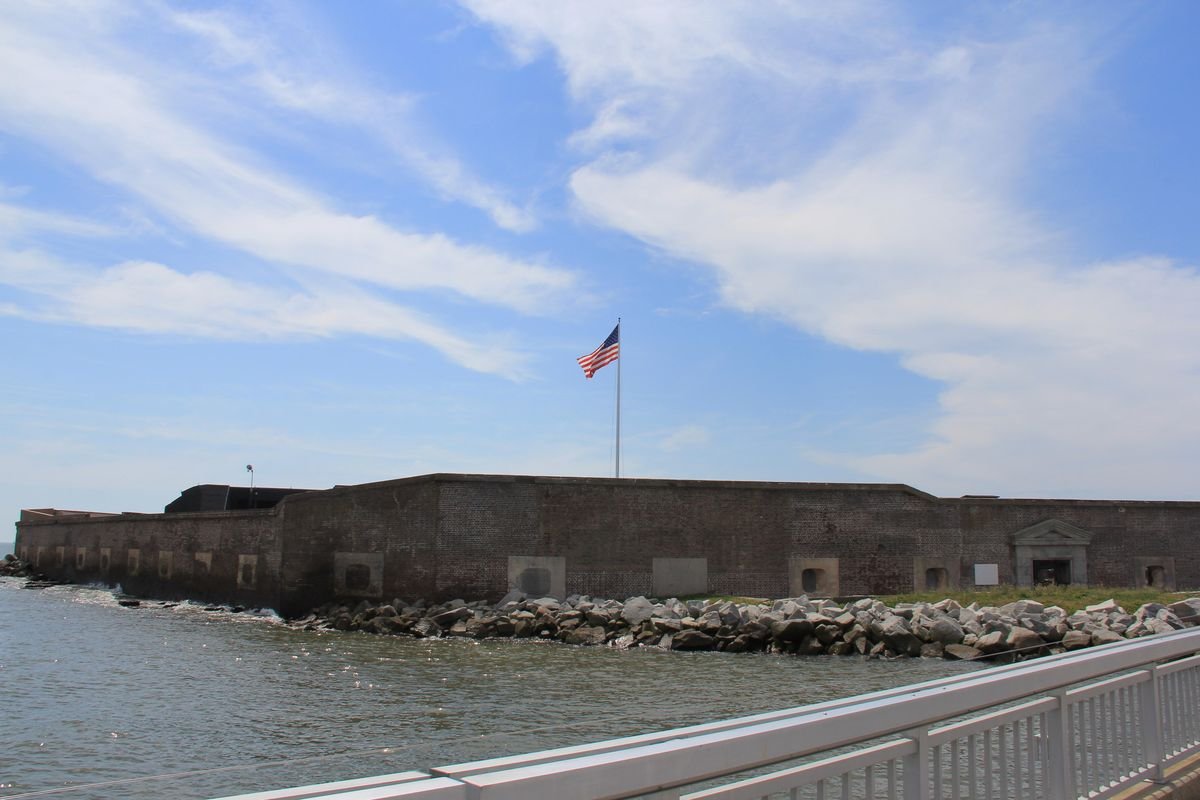
Charleston is one of those rare cities that feels both lived-in and perfectly preserved. Church steeples rise above the low skyline, side porches face the sea breeze, and the streets south of Broad are lined with houses that have watched the harbor for more than two centuries. Founded in 1670, it is one of the oldest cities in the United States, and it remains one of the most rewarding to explore on foot.
It is also a place where American history becomes very concrete. Out in the harbor, a small island fort marks the spot where the Civil War began. Three days give you time to see it properly, to walk the historic district without hurrying and to taste the cooking of the Lowcountry.
Fort Sumter: where the Civil War began
Two forts stand at the entrance to Charleston Harbor, and together they form Fort Sumter and Fort Moultrie National Historical Park. On April 12, 1861, Confederate forces fired on the U.S. garrison inside Fort Sumter, opening the Civil War. The National Park Service tells that story without softening it, including how Charleston led the way toward secession to preserve slavery.
Fort Sumter can only be reached by ferry. Boats leave at scheduled times from the Fort Sumter Visitor Education Center at Liberty Square, on Concord Street in downtown Charleston, and from Patriots Point in Mount Pleasant. The visitor center itself is free, and the ferry is run by a concessioner for a fee. The crossing takes about half an hour each way, with roughly an hour on the island to explore the walls, the cannons and the museum, so plan on about two and a half hours in total and reserve ahead in busy seasons.
Fort Moultrie and Sullivan's Island
Across the harbor mouth, Fort Moultrie tells an older story. In 1776, patriots inside a fort built of palmetto logs turned back the Royal Navy, a victory still remembered in the palmetto tree on South Carolina's flag. The site's exhibits then follow American coastal defense all the way to World War II.
Fort Moultrie is reached by car on Sullivan's Island and is open daily from 9 a.m. to 4:30 p.m. Combine it with a walk on the island's wide beach and a relaxed lunch nearby for an easy half day away from the city.
Walking the historic district
Give yourself a full day downtown. Start at the Battery and White Point Garden at the tip of the peninsula, with views across the harbor toward the forts, then walk north along East Bay Street to Rainbow Row, the line of pastel townhouses that appears on so many postcards. Continue through the quiet lanes and church courtyards toward the City Market and King Street, the city's main shopping street.
Charleston is best in the early morning and late afternoon, when the light is soft and the streets are calm. In summer, plan indoor stops such as museums and historic houses for the hottest hours of the day.
If you prefer a guide, the city's walking tours cover architecture, African American history, ghosts and gardens, and they are a good way to understand what you are looking at. Many of the grand houses along the Battery are private homes, but several historic house museums open their doors, and their gardens, furniture and kitchens tell the story of who built and ran these households, enslaved people included.
A taste of the Lowcountry
Charleston's food is a big reason people come back. Lowcountry cooking draws on the rice fields, marshes and sea islands around the city, and on the traditions of the Gullah Geechee people, descendants of enslaved West and Central Africans whose culture shaped the coast from North Carolina to Florida. The National Park Service supports the Gullah Geechee Cultural Heritage Corridor, which is a good starting point to learn more.
Look for shrimp and grits, she-crab soup, red rice and fresh local seafood, and leave room for a slow dinner. Reservations are a good idea on weekends.
Around the City Market and along the roads outside town, look for sweetgrass baskets, a craft that Gullah Geechee artisans have passed down for generations. Each basket is coiled by hand and can take many hours to make, which makes it one of the most meaningful souvenirs you can bring home from the Lowcountry.
Frequently asked questions
How do you get to Fort Sumter?
Only by ferry. Boats leave at scheduled times from the Fort Sumter Visitor Education Center at Liberty Square in downtown Charleston and from Patriots Point in Mount Pleasant. Check the current schedule and reserve ahead in busy seasons.
How long does a Fort Sumter visit take?
About two and a half hours: roughly 30 minutes on the ferry each way and about an hour on the island to explore the fort and its museum.
How many days do you need in Charleston?
Three days is a comfortable first visit: one for the forts, one for the historic district and one for a beach, a plantation site or a Lowcountry food day.
Which airport is closest to Charleston?
Charleston International Airport (CHS) in North Charleston, about 20 to 30 minutes from the historic district by car depending on traffic.
When is the best time to visit Charleston?
Spring and autumn are the most comfortable, with mild temperatures. Winters are mild, and summers are hot and humid, so plan early starts and indoor breaks in July and August.
Sources
- Fort Sumter and Fort Moultrie National Historical Park · National Park Service
- Directions and Transportation, Fort Sumter and Fort Moultrie · National Park Service
- Gullah Geechee Cultural Heritage Corridor · National Park Service