Skyblog · Special places
Joshua Tree National Park in Winter: Where Two Deserts Meet Under Dark Skies
Mild days, freezing nights and outstanding stargazing: how to plan a winter trip to Joshua Tree National Park from Palm Springs or Los Angeles.
Published November 22, 2026
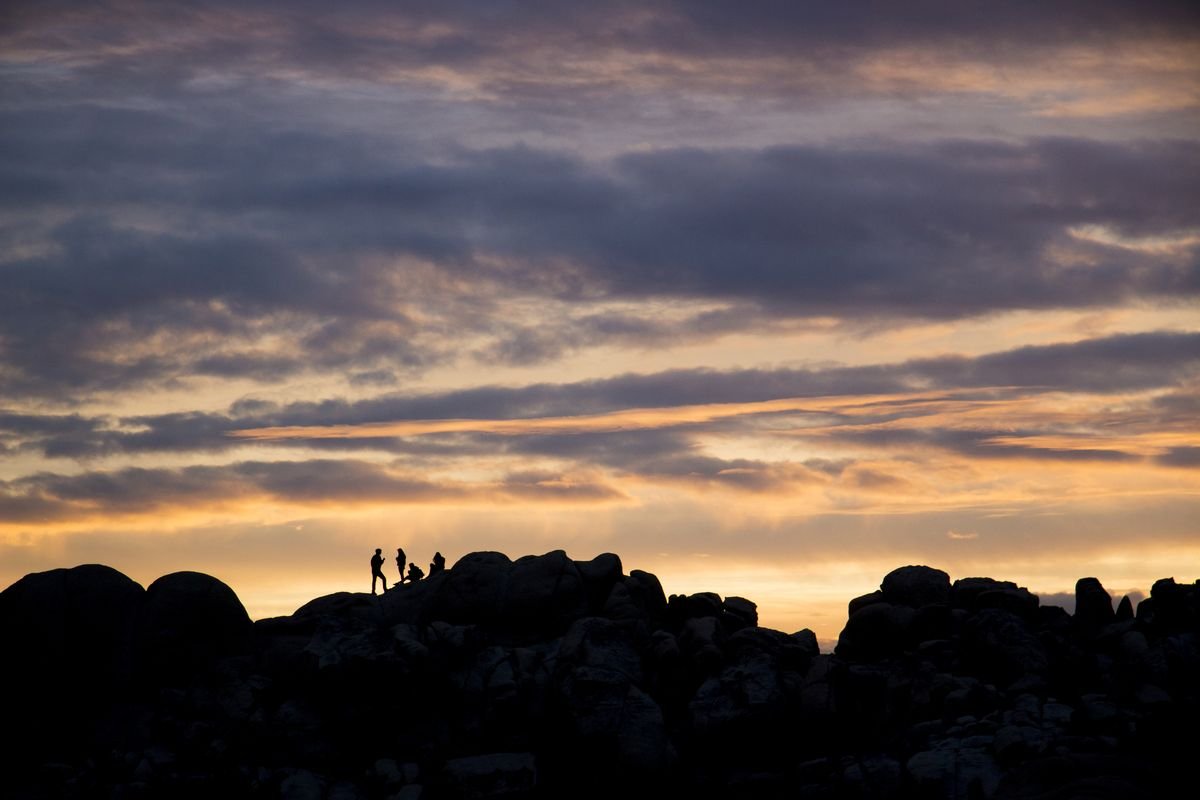
Joshua Tree National Park is where two distinct desert ecosystems, the Mojave and the Colorado, come together. The result is a landscape that looks invented: piles of rounded granite boulders, forests of spiky Joshua trees, gardens of cactus and a sky that, on a clear night, fills with more stars than most people ever see at home.
Winter is a rewarding time to go. The National Park Service says winter days run around 60°F, cooler than the comfortable spring and fall peaks of around 85°F, while summer days top 100°F. Pack for the nights, though: winter brings freezing temperatures after dark, and it occasionally snows at higher elevations. Days are typically clear, with humidity under 25 percent.
Getting there
Joshua Tree sits within a few hours' drive of several big cities. According to the park, it is about 140 miles east of Los Angeles, 175 miles northeast of San Diego, 215 miles southwest of Las Vegas and 222 miles west of Phoenix. The closest airport is in Palm Springs.
You approach the park from Interstate 10 or California Highway 62, the Twentynine Palms Highway. There are three entrance stations. The West Entrance is 5 miles south of the junction of Highway 62 and Park Boulevard at Joshua Tree Village. The North Entrance is in Twentynine Palms, 3 miles south of Highway 62 and Utah Trail. The South Entrance, near Cottonwood Spring, is an access point along Interstate 10, about 25 miles east of Indio.
Do not rely on GPS inside or on the way to the park. The park warns that navigation systems sometimes route drivers onto backcountry roads with ruts or soft sand that may be impassable. Public transportation to the park is limited, so plan on a rental car.
Visitor centers to start your day
Stopping at a visitor center first is the easiest way to get maps and current conditions. The Joshua Tree Visitor Center in downtown Joshua Tree opens from 7:30 a.m. to 5 p.m. and has a bookstore and cafe. The main Joshua Tree National Park Visitor Center in downtown Twentynine Palms opens from 8 a.m. to 5 p.m. and has a water bottle filling station and EV charging.
In the south, the Cottonwood Visitor Center on Pinto Basin Road, about 7 miles north of Interstate 10 at exit 168, opens from 8:30 a.m. to 4 p.m. The Black Rock Nature Center near Yucca Valley also has exhibits and water. Hours can change, so check the park's visitor center page before you go.
What to see
Keys View: perched in the Little San Bernardino Mountains, this overlook looks out over the Coachella Valley. On a very clear day, the park says you can see Signal Mountain in Mexico, 90 miles to the south. A short paved nature trail of about a quarter mile adds more views and signs explaining the scene. Visitors with mobility concerns should use Lower Keys View, since the upper path is steep.
Cholla Cactus Garden: a flat loop of about a quarter mile winds through thousands of teddy bear cholla in the Pinto Basin, part of the transition zone between the two deserts. It is a favorite at sunrise and sunset. Walk carefully: these are the cacti nicknamed jumping cholla, because their segments break off and attach to passersby.
Hiking and climbing: the park has about 300 miles of hiking trails, nine developed campgrounds, and an estimated 8,000 climbing routes and 2,000 bouldering problems, which make it a premier destination for climbers. More than 250 bird species have been recorded here.
Half the park is after dark
The park likes to say that half of Joshua Tree is after dark, and it promises outstanding night-sky viewing. If you cannot see the Milky Way from where you live, you are not alone, and the park's night skies are a big reason to stay past sunset. Winter's long nights give you more time for stargazing, as long as you bring warm layers for the freezing temperatures.
Check the park's ranger program schedule for night sky events and other talks during your visit, and remember that the park's elevation ranges from 536 feet in the southeast corner to 5,814 feet atop Quail Mountain, so conditions can vary greatly from one area to another.
A simple two-day plan
Day one: enter at the West Entrance from Joshua Tree Village after a stop at the Joshua Tree Visitor Center, then spend the day among the boulders and Joshua trees of the park's northern section. Drive up to Keys View in the late afternoon for the view over the Coachella Valley, and stay out after dark for the stars.
Day two: head south toward the Pinto Basin and the Cholla Cactus Garden, ideally at sunrise, then continue to the Cottonwood Visitor Center and leave through the South Entrance toward Interstate 10. If you have more time, the park also offers backcountry dirt roads for four-wheel drive vehicles and mountain bikes, horseback riding and wilderness backpacking for those who are prepared. And if you return in spring, winter rains can bring a colorful wildflower season.
Frequently asked questions
Is winter a good time to visit Joshua Tree?
Yes. Winter days are around 60°F, much milder than summer highs over 100°F. Nights drop below freezing and it occasionally snows at higher elevations, so bring warm layers, especially for stargazing.
What is the closest airport to Joshua Tree National Park?
Palm Springs is the closest airport. The park is also about 140 miles east of Los Angeles and 215 miles southwest of Las Vegas. Public transportation to the park is limited, so plan on renting a car.
Which Joshua Tree entrance should I use?
The West Entrance near Joshua Tree Village and the North Entrance in Twentynine Palms are off Highway 62. The South Entrance near Cottonwood Spring is along Interstate 10, about 25 miles east of Indio.
Can you see the stars at Joshua Tree?
Yes. The park is known for outstanding night-sky viewing and likes to say that half the park is after dark. Check the ranger program schedule for night sky events, and dress for freezing winter nights.
Should I use GPS to drive to Joshua Tree?
Not on its own. The park warns that navigation systems sometimes route drivers onto backcountry roads with ruts or soft sand that may be impassable. Follow the main highways and park signs.
Sources
- Directions & Transportation, Joshua Tree National Park · National Park Service
- Operating Hours & Seasons, Joshua Tree National Park · National Park Service
- Visitor Centers, Joshua Tree National Park · National Park Service
- Things To Do, Joshua Tree National Park · National Park Service
- Keys View · National Park Service
- Cholla Cactus Garden · National Park Service